Table of contents
The shifting realities of climate change are fundamentally altering the landscape of coastal property investments. Rising sea levels, increased storm frequency, and evolving regulations are creating new challenges and opportunities for investors and homeowners alike. Explore how these forces are shaping the future of coastal real estate and discover strategies that can help safeguard investments in this rapidly changing environment.
Rising sea levels and property values
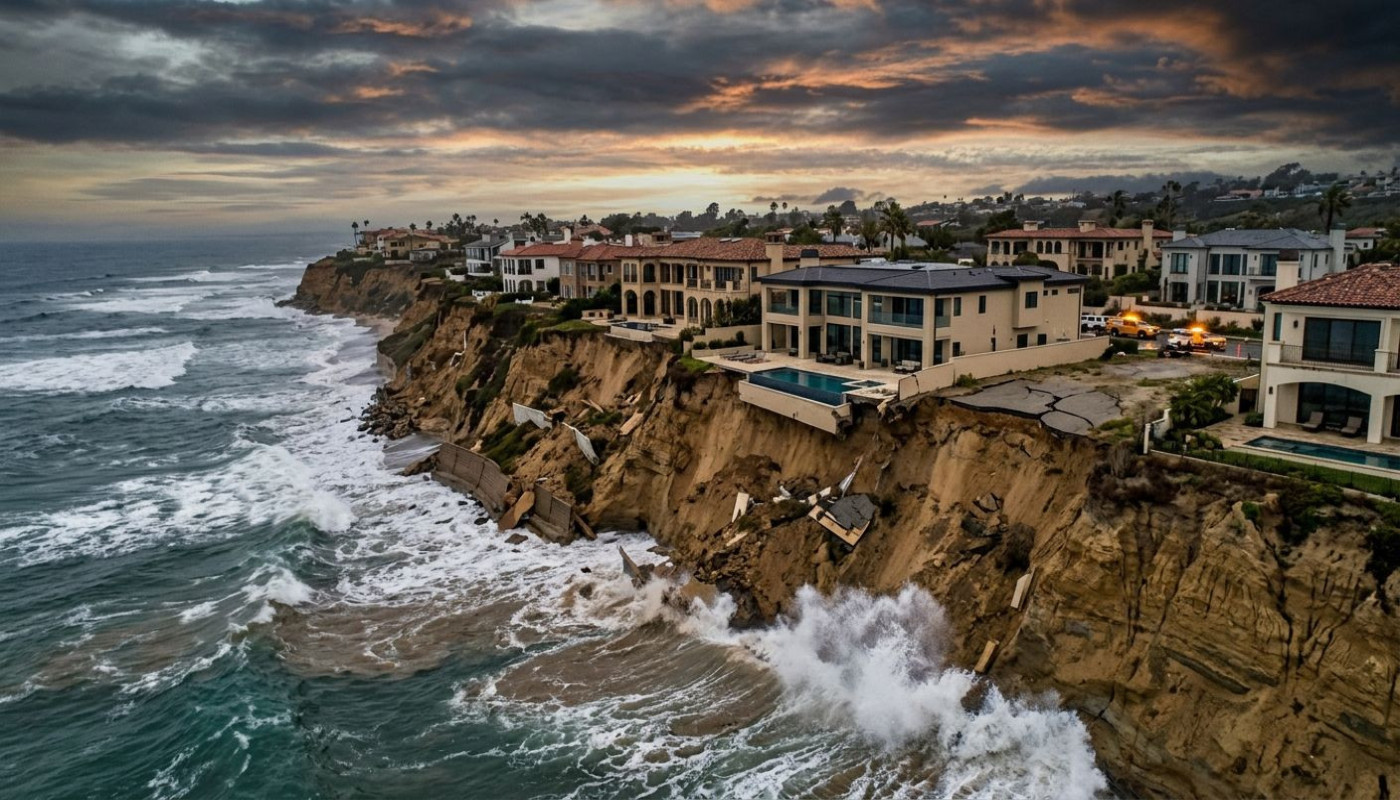
Rising sea levels are causing a significant shift in coastal property values, affecting the real estate market in ways that demand immediate attention from investors and homeowners alike. As climate change impact intensifies, properties situated within vulnerable zones—now more accurately identified through advanced floodplain mapping—are experiencing a dip in market desirability and long-term worth. Increased property risk is prompting insurance providers to raise premiums or, in some cases, withdraw coverage altogether, leading to higher costs and uncertainties for property owners. This situation compounds the financial pressure on households, often resulting in forced sales or even displacement, particularly where mortgage lenders hesitate to finance homes in high-risk areas. The ripple effect extends beyond individual properties, as entire coastal communities may experience a downturn in economic activity and reduced tax bases, further challenging local governments to maintain infrastructure and services in increasingly threatened regions.
Insurance challenges for investors
Climate change has dramatically altered the landscape for coastal insurance, significantly impacting insurance premiums and coverage options for property investment along vulnerable shorelines. Actuarial risk assessments, which are at the core of insurance underwriting, have evolved to account for increased frequency and severity of climate-related events such as hurricanes, storm surges, and flooding. As a result, insurance premiums for coastal properties have risen sharply, reflecting heightened climate risk and the growing costs of potential claims. Insurers are increasingly imposing stricter policy conditions, introducing new exclusions for flood or wind damage, and, in many high-risk zones, completely withdrawing standard coverage options. This has driven property investors to seek government-backed insurance programs that serve as the only viable option for securing coverage in regions deemed too risky by private carriers. Enhanced risk assessment tools, including predictive modeling and satellite data, are now standard practice, further refining decisions about which properties qualify for coverage and at what cost. These developments require investors to reassess their strategies, as changing insurance requirements and limited coverage availability directly influence property value, long-term investment returns, and the feasibility of financing coastal developments.
Regulatory shifts and zoning laws
Coastal property investors are encountering a rapidly evolving landscape as governments and municipalities implement updated coastal zoning laws and stricter real estate regulation in response to climate adaptation demands. These regulatory changes often include revised building codes, limits on property development in flood-prone or erosion-vulnerable zones, and even the introduction of managed retreat policies that require relocation away from high-risk areas. Such measures aim to minimize future losses and ensure long-term resilience, but they can also present obstacles for investors, including increased compliance costs, longer approval timelines, and uncertainty in property valuations. At the same time, proactive adaptation through innovative design and sustainable development can create new investment opportunities, especially where local authorities encourage resilient construction and offer incentives for forward-thinking projects. Staying informed about evolving zoning requirements and understanding the implications of managed retreat are now fundamental for anyone involved in coastal property markets.
Adaptation strategies for property owners
Property owners and investors in coastal regions are increasingly adopting climate adaptation strategies to safeguard assets against the growing threats of sea-level rise, storm surges, and flooding. Utilizing resilient building materials, such as corrosion-resistant steel, reinforced concrete, and moisture-resistant insulation, forms a core aspect of property protection. Elevating structures on pilings or raised platforms provides a practical measure for flood mitigation, reducing the risk of water intrusion and foundational damage during extreme weather events. Additionally, the integration of green infrastructure—such as living shorelines, dune restoration, and wetland buffers—enhances coastal resilience by using natural systems to absorb wave energy and manage runoff. These measures collectively contribute to resilient infrastructure that not only reduces risk but can also increase property value over time.
Forward-thinking investment is becoming synonymous with proactive adaptation in high-risk coastal zones. Investors are looking for properties that incorporate advanced coastal resilience solutions, such as stormwater management systems and wind-resistant roofing. These features can significantly reduce insurance costs and improve long-term return on investment. In some cases, government incentives or insurance premium reductions exist for owners who implement these coastal resilience upgrades.
Collaboration between property owners, local authorities, and coastal engineering experts is central to successful adaptation. Strategic planning, including regular risk assessments and community-wide flood mitigation efforts, helps ensure collective protection and reduces the likelihood of isolated vulnerabilities. The use of predictive modeling and hazard mapping helps identify the most effective adaptation techniques for specific locations, maximizing the effectiveness of any intervention.
Reliable guidance and professional expertise are vital for those seeking to implement the best property protection strategies. For those exploring opportunities in resilient coastal investments, the source is an excellent reference to find local expertise and resources for adopting climate adaptation strategies, ensuring that properties remain viable and valuable well into the future. For more details, visit source.
Emerging investment trends
Climate risk investment strategies are driving notable changes in coastal real estate trends, with investors increasingly prioritizing asset reallocation to mitigate exposure to environmental threats. As the frequency and severity of coastal flooding, storms, and sea-level rise become clearer, investor behavior is shifting toward properties located in safer, less vulnerable regions. There is a distinct move toward diversification within property portfolios, where holdings are distributed across various geographic areas to balance potential risks. In sustainable development, the adoption of resilient building materials, green infrastructure, and energy-efficient designs is becoming standard for new projects, reflecting a proactive approach to protecting long-term value. These combined strategies demonstrate a sophisticated and calculated response by investors seeking both stability and growth in an evolving market shaped by climate realities.
On the same subject

Can Advisory Services Survive In A World Obsessed With Automation?
Unexpected Challenges Companies Face When Upgrading Essential Forestry Equipment

Conformity Or Chaos: The Hidden Side Of Business Compliance

Using Credit Card Rewards To Secure Free Gift Cards

Exploring The Benefits Of An EMI License For Global FinTechs?

How Does Obtaining A Legal Entity Identifier Boost Business Transparency?
Understanding The Impact Of Strategic Acquisitions On Market Dynamics

"Exploring the Benefits and Drawbacks of Online Casino Bonuses"
